Why Keep a Pregnancy Journal? It’s More Than a Keepsake: Symptoms, Doctor Questions, and Details You’d Otherwise Forget
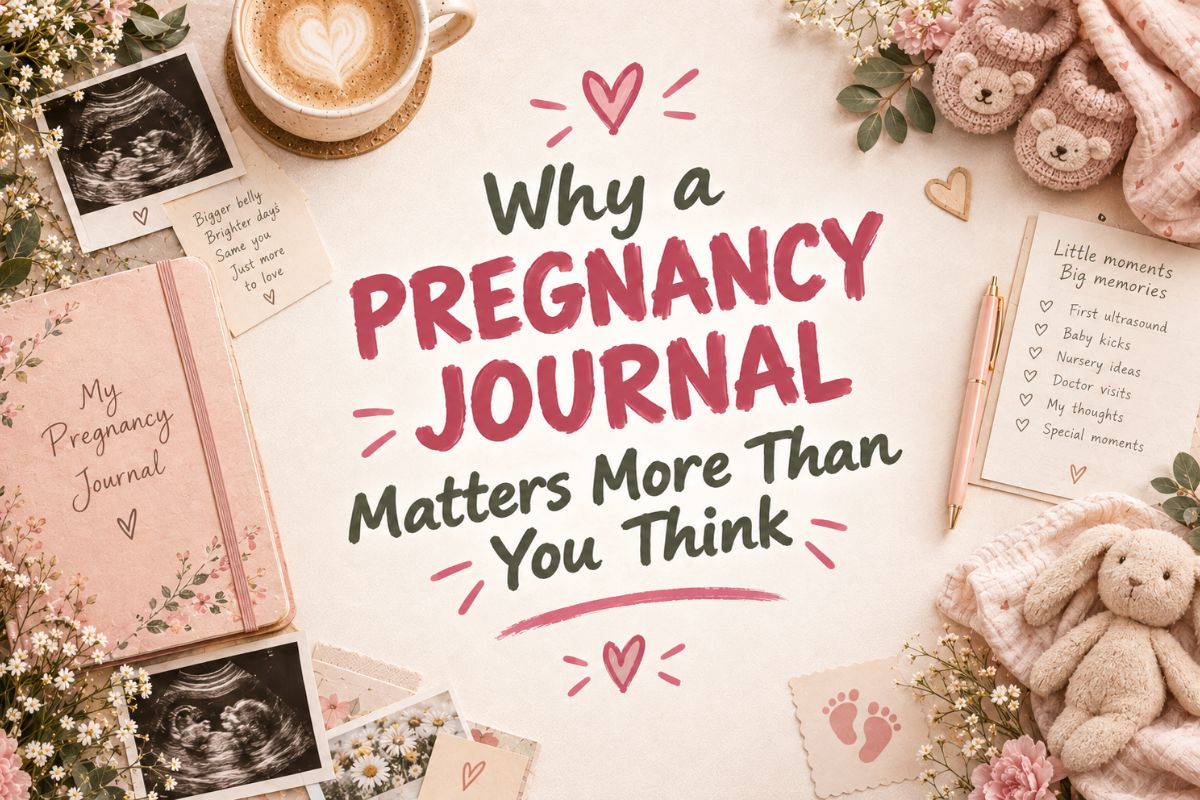
Most people think of a pregnancy journal as something purely sentimental — a nice-to-have for scrapbooking later, not something that actually matters day to day. That undersells why keep a pregnancy journal at all. Pregnancy involves nine months of symptoms, appointments, and small changes that are genuinely hard to remember accurately even a few weeks later, let alone years down the line. A journal isn’t just memory-keeping. It’s also one of the few tools that makes those months easier to navigate while they’re happening.
Why Keep a Pregnancy Journal? It’s More Useful Than It Sounds
Ask anyone with kids what week they started feeling nauseous, or when a specific symptom first showed up, and most people genuinely can’t say without checking notes. Pregnancy symptoms shift constantly, and without something written down, it’s easy to lose track of what’s new, what’s worse, or what’s actually worth mentioning at the next appointment.
A journal also solves a smaller but real problem: forgetting questions. Most people think of things they want to ask their doctor between appointments, not during them, and then blank the moment they’re actually in the room. A dedicated place to jot those down as they come up means you walk into each visit prepared instead of trying to remember on the spot.
And then there’s the part people do expect — the memory-keeping. How you felt in week 12 is genuinely different from how you’ll remember it two years later without something written down at the time. The details that feel obvious now (a specific craving, a particular kick pattern, the exact moment you told your partner) are exactly the ones that blur first.
What Each Section Actually Does
Not every pregnancy journal needs every section filled in. Here’s what the common ones are actually for, so you can tell which matter to you specifically.
Weekly or Trimester Tracking
This is the backbone of most journals — a dedicated space per week or trimester to log symptoms, mood, energy, and baby’s development at that stage. It’s the section that turns “I don’t really remember when that started” into an actual answer.
Skip it if: you’d rather write freely without a fixed structure. Keep it if: you want to look back and know exactly what week something happened, not just a rough guess.
Doctor Appointment & Symptom Notes
This controls what actually gets discussed at prenatal visits — space for questions as they come up, and a record of what was said at the last appointment so nothing gets lost between visits. It’s the most purely practical section on this list, and arguably the one that matters most in the moment.
Skip it if: you already track this elsewhere, like a notes app you trust more. Keep it if: you’ve ever left an appointment realizing you forgot to ask something important.
Milestones & Memory Pages
This covers the moments people actually think of when they picture a pregnancy journal — first kick, gender reveal, baby shower, the day you told family. It’s purely sentimental, and that’s exactly the point.
Skip it if: you’re using a separate baby book or scrapbook for this specifically. Keep it if: you want everything — practical and sentimental — living in one place.
Letters to Baby
A space for open letters written during pregnancy, meant to be read by your child much later. It’s one of the more emotionally weighted sections, and genuinely not for everyone — some people find it meaningful, others find it a bit much to write to someone they haven’t met yet.
Skip it if: the idea feels forced rather than natural to you. Keep it if: you already gravitate toward writing letters or journaling as a way of processing big moments.
Birth Plan & Hospital Bag Checklist
This shifts from documenting the pregnancy to preparing for the delivery itself — birth preferences, support people, and what actually needs to be packed. It’s less about memory and more about not scrambling in the final weeks.
Skip it if: your hospital or birth team already provides this kind of checklist. Keep it if: you’d rather have your own version customized to what actually matters to you.
Baby Prep & Postpartum Pages
This extends past the due date into nursery setup, feeding supplies, and sometimes early postpartum tracking. It’s the section that turns a pregnancy journal into something that keeps being useful after the baby actually arrives.
Skip it if: you’d rather start a completely separate system once the baby is born. Keep it if: you like the idea of one continuous journal rather than switching products right at the most exhausting moment.
Journal, Planner, or Both?
Most sellers use “journal” and “planner” almost interchangeably for this exact product, so don’t put too much weight on the word in the title. What actually varies is the balance between reflective writing and structured tracking.
- Want to write freely about how you’re feeling? Look for something described as a diary or journal with open space, not fixed fields.
- Want quick, consistent entries you won’t dread filling in? A structured logbook with defined sections will hold up better than a blank page over nine months.
- Want both? Several comprehensive options genuinely combine structured tracking with open reflection space, so you’re not forced to choose one style over the other.
Find the Right One
Now that you know what each section is actually for, it’s easier to spot which journal fits — whether that’s a simple weekly tracker or something comprehensive enough to carry you through birth and into the first weeks with a newborn.
A Good Starting Point
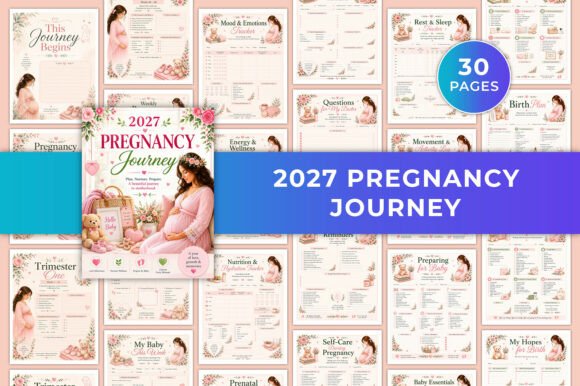
This one covers nearly every section discussed above at once — weekly tracking, doctor notes, milestones, letters to baby, and a birth plan with hospital bag checklist. A genuinely complete option if most of your answers above pointed toward “keep it” rather than “skip it.”
Final Thoughts
Why keep a pregnancy journal at all? It earns its place for reasons that go beyond sentiment — it’s a place to track symptoms worth mentioning to your doctor, remember questions before you walk into an appointment, and hold onto details that would otherwise blur within a year. Figure out which sections actually serve you, and the rest of the decision gets much simpler.
You May Also Like
This post contains affiliate links. If you buy through them, we may earn a small commission at no extra cost to you. Learn more.